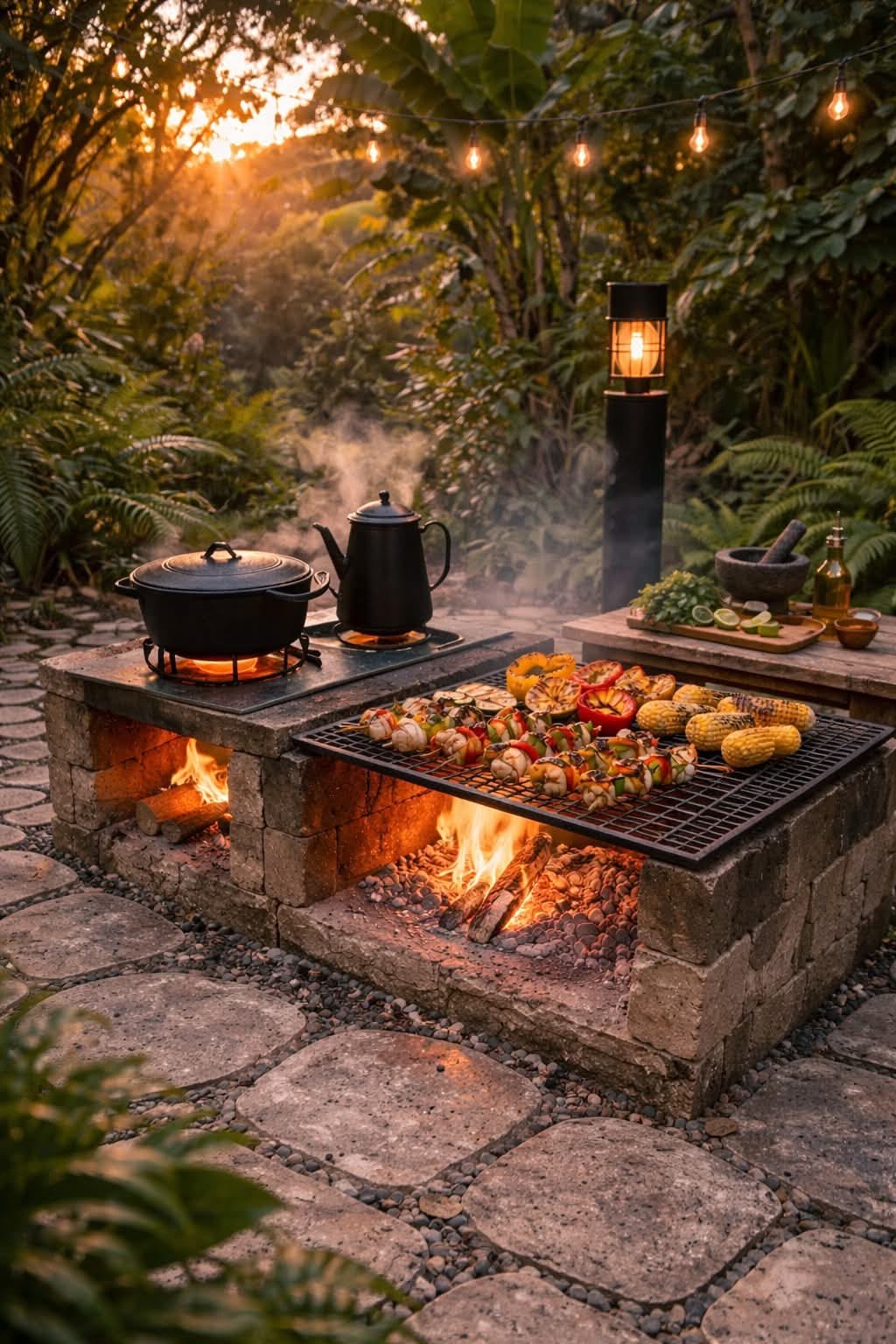
The Foundation of Great BBQ: Homemade Rubs
Creating your own BBQ rubs at home is the single best way to elevate your grilling game. Store-bought rubs often contain preservatives, excess salt, and generic flavor profiles. When you make rubs from scratch, you control every ingredient and can tailor the taste https://www.guibbqirvine.com/ to your exact preferences. The magic of a good rub lies in its ability to form a flavorful crust, known as bark, on the surface of the meat. This bark locks in juices while providing a complex, smoky, and often spicy or sweet contrast to the tender meat underneath. Start with a base of kosher salt and coarse black pepper, then build from there with complementary spices.
The Classic Coffee-Ancho Rub for Beef
For beef brisket, short ribs, or burgers, a coffee-ancho rub delivers an earthy, slightly bitter, and deeply rich flavor that amplifies the natural beefiness. Combine 2 tablespoons of finely ground dark roast coffee, 2 tablespoons of ancho chile powder, 1 tablespoon of brown sugar, 1 tablespoon of smoked paprika, 1 teaspoon of cumin, and 1 teaspoon of garlic powder. The coffee does not make the meat taste like coffee; instead, it adds a roasty depth and helps form an incredible dark crust. The ancho provides mild heat with raisin-like sweetness. Apply the rub generously at least one hour before cooking, or ideally overnight in the refrigerator. This rub is bold enough for long smokes but works equally well on hot and fast grilled steaks.
The Tropical Coconut-Lime Rub for Poultry
Transform chicken or turkey into a Caribbean-inspired masterpiece with a tropical coconut-lime rub. Mix 2 tablespoons of unsweetened shredded coconut (finely ground in a spice grinder), 1 tablespoon of lime zest, 1 tablespoon of turbinado sugar, 1 tablespoon of onion powder, 1 teaspoon of ground ginger, 1 teaspoon of allspice, and 1 teaspoon of salt. The coconut adds a subtle nutty sweetness that caramelizes beautifully on the grill. Lime zest provides bright, fresh acidity that cuts through the richness of dark meat. This rub works best on chicken thighs or drumsticks. Let the rub sit on the meat for 30 minutes before grilling over medium indirect heat. The finished result is juicy, aromatic, and transports your taste buds straight to a beachside cookout.
The Smoky Miso-Maple Rub for Pork and Salmon
Umami-rich miso paste combined with maple syrup creates a hybrid wet-dry rub that clings to pork ribs, pork chops, or salmon fillets. Whisk together 2 tablespoons of white miso paste, 1 tablespoon of maple sugar (or dried maple syrup), 1 tablespoon of smoked salt, 1 teaspoon of white pepper, and 1 teaspoon of granulated garlic. Because miso is moist, this rub should be applied as a thin paste. Spread it evenly over the meat and let it rest for 20 minutes before grilling. The fermentation notes of miso deepen during cooking, while maple adds a gentle sweetness that forms a lacquered glaze. For salmon, grill skin-side down first, then finish flesh-side briefly. For pork ribs, smoke low and slow at 225°F (107°C) for three hours. This rub is unexpected but unforgettable.
The Spicy Harissa-Lemon Rub for Lamb and Vegetables
Bring North African heat to your grill with a harissa-lemon dry rub. Combine 2 tablespoons of dried harissa spice blend (look for one with caraway and coriander), 1 tablespoon of lemon powder (or finely grated dried lemon peel), 1 tablespoon of coconut sugar, 1 teaspoon of cayenne (adjust to taste), and 1 teaspoon of dried mint. This rub is exceptional on lamb chops, leg of lamb, or hearty vegetables like eggplant and cauliflower. The harissa delivers smoky heat and complexity, while lemon powder brightens every bite. Apply the rub generously and let the meat come to room temperature for 30 minutes before grilling. For vegetables, toss them in olive oil first, then coat with the rub. Grill over medium-high heat until charred and tender. Store any leftover rub in an airtight jar for up to three months.